
Are you interested in making homemade juices or starting a healthier lifestyle and you're wondering if it's safe, worth it, and effective? The answers to these questions, and more, can be found in this blog dedicated to sharing educational, informative content to help you heal your body with plants.
In this section we will cover the safe and healthy way to follow a juice cleanse. Regardless if this is your first time or you are experienced you should read over the steps carefully.
•Pre- Cleanse: For three to five days before the cleanse, you will gradually eliminate certain foods, such as coffee(optional), refined sugar, meat, dairy products, wheat, alcohol, and nicotine to reduce headaches, cravings, and other withdrawal symptoms. It’s also recommended to increase your intake of fresh vegetables, fruits, and water during the pre-cleanse.
• During the Cleanse: Each day drink 20-32oz of freshly pressed fruit and vegetable juice. You will also drink up to a gallon of water each day as well as consuming raw fruits and vegetables and healthy plant based meals. You must eat during the cleanse so make sure you are prepared with plant-based snacks as well and meals such as fresh salads, beans, broccoli, sweet potatoes, carrots, green beans, kale and spinach. (See the free meal plan for more ideas) These juices DO NOT replace a healthy diet and are meant to be an additional source of vitamins, fiber and nutrients.
BEFORE YOU GET STARTED:
While Cleansing is said to improve health, you may not feel so great during the Process. During a juice cleanse you should also:
• Stick to Light Physical Activity: While it’s a good idea to tone down your exercise routine during a juice cleanse, normal activity such as walking can help to boost blood and lymphatic circulation.
• Book a Massage: Try massage therapy (such as Swedish massage, lymphatic drainage, deep tissue massage, and Thai massage), contrast showers, and skin brushing, which can be done as part of a regular shower.
• Practice Mind and Body Wellness: Stress can have negative effects on health and may impair detoxification. Allow the mind to rest by incorporating mind/body practices such as diaphragmatic breathing, progressive muscle relaxation, or mindfulness meditation. Try to get plenty of rest. Go to bed as early as you can and take naps if possible.
• Prepare for Emotions That May Arise During Fasting: According to traditional Chinese medicine, the liver is associated with anger, the kidneys with fear, and the gallbladder holds frustration. Proponents of juice cleansing believe that old emotions may arise and be cleansed from the system as the corresponding organs are cleansed.
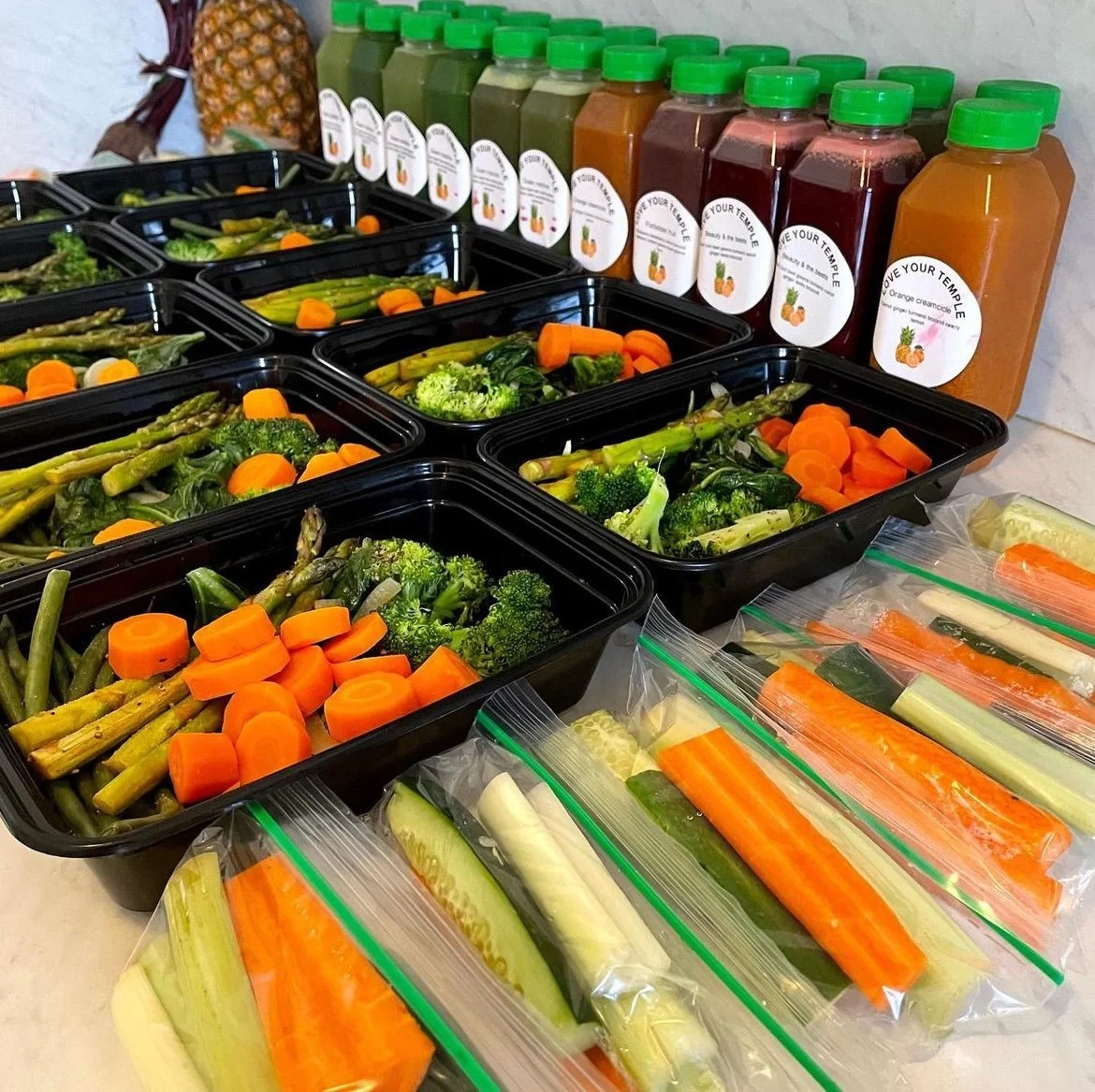
What to Eat during the cleanse
100% plant-based products, Agave and honey, Raw, fresh juice made from fruits and vegetables, Almond milk, coconut milk, cashew milk, Gluten-free/vegan meals such as green salads or roasted veggies, Vegetable broth, Raw vegetables, like carrots or peppers, Beans, legumes, lentils Raw nuts and Dried fruits. Meal prepping your Juice Cleanse for the entire week or even month helps drastically cut down on time, money and energy and sets you for success. Try cooking all your meals and preparing all your juice blends then freeze them until ready to begin your cleanse.
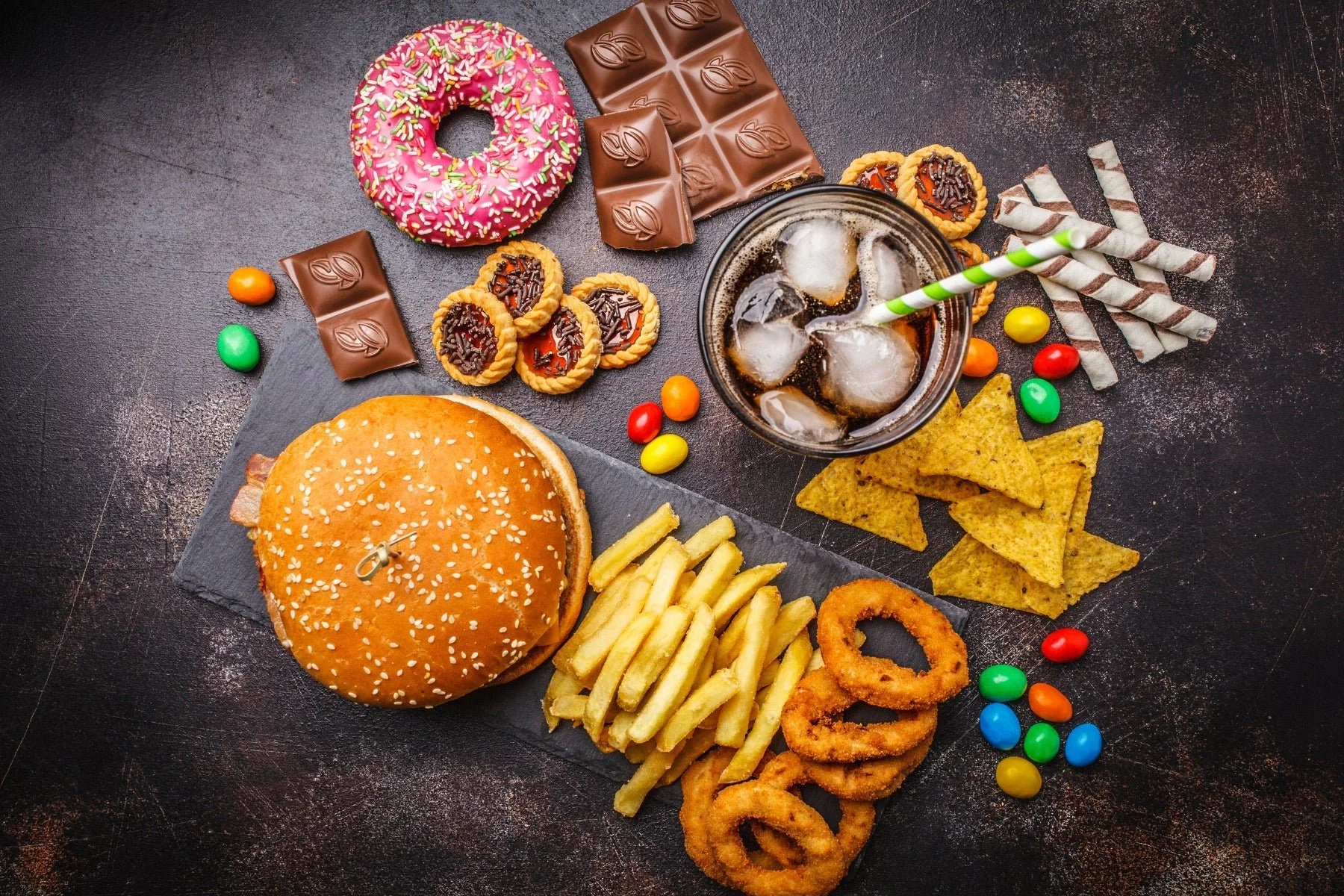
What NOT to Eat
Processed sugar Dairy, Cheese, Milk
Red meat Fried food
Poultry Avoid these food groups at all costs…
Alcohol/Beer
Cafeine
Soda
Candy

After the cleanse:
Once the cleanse is over, you should eat lightly for a few days, gradually adding foods back in over the course of several days. Pay close attention to how each food group you re-introduce back into your diet affects your body and the way you feel. Continue to Stick to Light Physical Activity like walking yoga and floor exercises.

Expected results!
The nutrient-rich, natural juice cleanse is designed to reset eating habits, eliminate cravings and kickstart a healthy diet free from processed foods. This Cleanse is perfect for both regular cleansers and those new to the juice cleanse experience. When you give your body nothing but pure nutrition that it can absorb easily and quickly, you start to feel the effects sometimes immediately!! Many people see the following results during and after a juice cleanse:
Rapid weight loss
Bloating eliminated
More energy
Clear bright skin
Powerful workouts
Deeper sleep
Stronger immune system
Learn the facts about the benefits of juicing :
Juicing can be an amazing way to boost your overall help and see major changes in mood, skin health, digestion, cholesterol, blood pressure and other common illness. Some of the most common reasons people have been excited about juicing is the relief they have found from illness such as, Polycystic ovarian syndrome, allergies, diabetes, mal-absorbtion, anemia, endometreosis, gout, IBS, acic reflux, acne and yeast infections to name a few.
The research studies conducted within the last 5 years has shown us that following a plant-based juice cleanse diet for 3 to 21 days can drastically improve your overall health by increasing good bacteria in the gut microbiome thus resulting in weight-loss, lower blood sugar, lower, cholesterol, lower blood pressure, decrease in menstrual symptoms, decrease in lipid oxidation, decreased risk of cardiovascular disease, type 2 diabetes and some forms of cancer.
Juice cleanses are not a fix to a root problem such as eating disorders, over eating or poor health from consuming too much processed foods, preservatives, chemicals and additives. What it can help you do is pump your body full of the vitamins, antioxidants and soluble fibers found in freshly pressed juices. When your body is flushed with water, juices and raw fruits and vegetables its given an opportunity to rid itself of toxins and bile buildup in the intestines leaving you feeling more energized, improved mood, clear up in skin problems and more regular. While it is not a magical solution, if followed routinely a juice cleanse can help you improve your eating patterns and develop a healthy relationship with food.
Unfortunately, there is a large amount of misinformation about juicing or fruits and veggies in general, the most common being that juices have too much sugar and not enough fiber. This is completely untrue. While juices do contain sugar, it is natural and therefore absorbed into the body differently than processed sugars. Additionally, soluble fiber found in juices is much easier on the stomach and is absorbed into the bloodstream more efficiently and for many people with issues such as Crohn’s disease, IBS or gastritis, this is extremally beneficial as dietary fiber is too harsh on the system when dealing with these illnesses. You also have the option to make smoothies instead of juices or to simply eat the produce if that better suits your lifestyle.
It is important to do your research on all the steps of following a juice cleanse and to remember that this journey has to have a starting point. If you are interested in following a juice cleanse to see the results for yourself you should make an appointment with your doctor for a check up and to have certain test such as blood pressure and blood work which tests glucose, sodium, potassium, electrolytes, and creatinine, iron, HLD, LDL, white blood cells, red blood cells, hemoglobin, hematocrit, and platelets. Doing so gives you an idea of your starting point, after you complete a juice cleanse you can compare your previous test results to the new test results. It would be best if you can continually follow this method 3-5 times in a 3-6 month period depending on the duration of each cleanse. This is the best way to see positive results and begin a long lasting change in eating habits that lead to a longer happier life.
Preserving your home made juices.
If you want to save time and money the best thing you can do is make your juices in large batches then freeze them. This will keep them fresh for months, all you must do is remove them for the freezer when you are ready to drink it and let it thaw out. The time frame to thaw out juices depends on your area/climate. You can freeze your juices in plastic contains where can be found for purchase online or you can recycle your bottles and reuse them to help save the planet.
JUICING FOR REVERSING DIABETES
**The Science Behind How Fruits and Vegetables Can Help Reverse Diabetes**
Diabetes, particularly type 2 diabetes, is a chronic condition characterized by high blood sugar levels due to insulin resistance or insufficient insulin production. While medication can help manage the condition, lifestyle changes, particularly dietary choices, play a pivotal role in reversing or significantly improving diabetes. Fruits and vegetables, in particular, are essential components of a diabetes-reversal diet due to their unique nutritional profiles and physiological effects on the body.
**Nutrient Density and Glycemic Control**
Fruits and vegetables are nutrient-dense, meaning they provide essential vitamins, minerals, fiber, and antioxidants with relatively low calorie content. The fiber in fruits and vegetables slows down the digestion and absorption of carbohydrates, preventing rapid spikes in blood glucose levels. This slower release of glucose into the bloodstream reduces the demand on the pancreas to produce insulin, which is crucial for individuals with insulin resistance.
Studies have shown that diets high in fiber, particularly from vegetables and fruits, are associated with improved glycemic control. Soluble fiber found in foods like apples, berries, and carrots forms a gel-like substance in the gut, which slows the absorption of sugar and promotes a gradual increase in blood glucose levels. This helps stabilize blood sugar levels throughout the day, reducing insulin spikes and promoting better insulin sensitivity.
**Antioxidant and Anti-Inflammatory Properties**
Diabetes is often accompanied by chronic inflammation and oxidative stress, both of which contribute to insulin resistance and damage to pancreatic beta cells. Fruits and vegetables are rich in antioxidants, such as vitamins C and E, flavonoids, and carotenoids, which help combat oxidative stress. These antioxidants neutralize free radicals, reducing the damage caused by oxidative stress and inflammation.
For example, leafy greens like spinach and kale are high in magnesium and polyphenols, which have been shown to improve insulin sensitivity. Berries, such as blueberries and strawberries, contain anthocyanins, compounds that have demonstrated anti-inflammatory and blood sugar-lowering effects in scientific studies.
**Role of Phytochemicals**
Phytochemicals are naturally occurring compounds found in fruits and vegetables that have been shown to have therapeutic effects on various health conditions, including diabetes. Polyphenols, a type of phytochemical, can enhance insulin sensitivity and reduce blood sugar levels by modulating glucose metabolism pathways. Resveratrol in grapes, quercetin in apples, and catechins in green tea are all examples of polyphenols with beneficial effects on blood sugar regulation.
Additionally, cruciferous vegetables like broccoli and Brussels sprouts contain sulfur-containing compounds known as glucosinolates, which have been linked to improved liver function and better blood sugar management. These vegetables also help activate enzymes that reduce oxidative stress and inflammation.
**Impact on Gut Health**
Emerging research highlights the importance of gut health in managing and reversing diabetes. The gut microbiome plays a significant role in glucose metabolism and insulin sensitivity. Fruits and vegetables contain prebiotic fibers that feed beneficial gut bacteria, promoting a healthy gut microbiome. A balanced gut microbiome has been linked to reduced inflammation, improved insulin sensitivity, and better overall metabolic health.
In particular, foods like onions, garlic, bananas, and asparagus contain inulin, a prebiotic fiber that promotes the growth of beneficial bacteria. This, in turn, enhances the body's ability to regulate blood sugar levels and reduce insulin resistance.
**Low-Calorie Density and Weight Management**
Weight management is a critical factor in reversing type 2 diabetes. Excess body fat, particularly around the abdominal area, contributes to insulin resistance. Fruits and vegetables are naturally low in calorie density, meaning they provide fewer calories per gram of food. This allows individuals to eat satisfying portions while reducing overall calorie intake, promoting weight loss.
Weight loss has been shown to significantly improve insulin sensitivity and, in some cases, even lead to diabetes remission. By incorporating more fruits and vegetables into their diets, individuals can achieve sustainable weight loss while improving their blood sugar control.
**Scientific Evidence and Real-World Examples**
Numerous studies support the role of fruits and vegetables in reversing diabetes. A study published in the journal *Diabetologia* found that individuals who consumed more than five servings of fruits and vegetables daily had a significantly lower risk of developing type 2 diabetes. Another study published in *The Lancet* showed that a plant-based diet, rich in whole fruits and vegetables, improved insulin sensitivity and reduced the need for diabetes medication.
Real-world programs, such as the Diabetes Prevention Program (DPP) in the United States, have demonstrated that lifestyle changes focusing on increased fruit and vegetable intake, along with physical activity, can reduce the incidence of type 2 diabetes by more than 50% in high-risk individuals.
**Conclusion**
The science and data behind the role of fruits and vegetables in reversing diabetes are compelling. These natural foods provide essential nutrients, fiber, antioxidants, and phytochemicals that improve glycemic control, reduce inflammation, and enhance insulin sensitivity. Additionally, they support gut health and promote sustainable weight management, all of which are critical factors in managing and potentially reversing type 2 diabetes. By prioritizing fruits and vegetables in their diet, individuals with diabetes can take significant steps toward better health and, in many cases, achieve remission of the condition.
References
Health benefit of vegetable/fruit juice-based diet: Role of microbiome
Susanne M. Henning, Jieping Yang, Paul Shao, Ru-Po Lee, Jianjun Huang, Austin Ly, Mark Hsu, Qing-Yi Lu, Gail Thames, David Heber, and Zhaoping Li
1. Horne BD, Muhlestein JB, Anderson JL. Health effects of intermittent fasting: hormesis or harm? A systematic review. The American journal of clinical nutrition. 2015;102:464–470. doi: 10.3945/ajcn.115.109553. [PubMed] [CrossRef] [Google Scholar]
2. Tome-Carneiro, J. & Visioli, F. Polyphenol-based nutraceuticals for the prevention and treatment of cardiovascular disease: Review of human evidence. Phytomedicine: international journal of phytotherapy and phytopharmacology, doi:10.1016/j.phymed.2015.10.018 (2015). [PubMed]
3. Abuajah CI, Ogbonna AC, Osuji CM. Functional components and medicinal properties of food: a review. Journal of food science and technology. 2015;52:2522–2529. doi: 10.1007/s13197-014-1396-5. [PMC free article] [PubMed] [CrossRef] [Google Scholar]
4. Li AN, et al. Resources and biological activities of natural polyphenols. Nutrients. 2014;6:6020–6047. doi: 10.3390/nu6126020. [PMC free article] [PubMed] [CrossRef] [Google Scholar]
5. Dahl, W. J. et al. Health Benefits of Fiber Fermentation. Journal of the American College of Nutrition 1–10, doi:10.1080/07315724.2016.1188737 (2017). [PubMed]
6. Simpson HL, Campbell BJ. Review article: dietary fibre-microbiota interactions. Alimentary pharmacology & therapeutics. 2015;42:158–179. doi: 10.1111/apt.13248. [PMC free article] [PubMed] [CrossRef] [Google Scholar]
7. Korpela K, et al. Gut microbiota signatures predict host and microbiota responses to dietary interventions in obese individuals. PloS one. 2014;9:e90702. doi: 10.1371/journal.pone.0090702. [PMC free article] [PubMed] [CrossRef] [Google Scholar]
8. Tilg H, Moschen AR. Microbiota and diabetes: an evolving relationship. Gut. 2014;63:1513–1521. doi: 10.1136/gutjnl-2014-306928. [PubMed] [CrossRef] [Google Scholar]
9. Tuohy KM, Fava F, Viola R. ‘The way to a man’s heart is through his gut microbiota’–dietary pro- and prebiotics for the management of cardiovascular risk. The Proceedings of the Nutrition Society. 2014;73:172–185. doi: 10.1017/S0029665113003911. [PubMed] [CrossRef] [Google Scholar]
10. Million M, Lagier JC, Yahav D, Paul M. Gut bacterial microbiota and obesity. Clinical microbiology and infection: the official publication of the European Society of Clinical Microbiology and Infectious Diseases. 2013;19:305–313. doi: 10.1111/1469-0691.12172. [PubMed] [CrossRef] [Google Scholar]
11. Etxeberria U, et al. Reshaping faecal gut microbiota composition by the intake of trans-resveratrol and quercetin in high-fat sucrose diet-fed rats. The Journal of nutritional biochemistry. 2015;26:651–660. doi: 10.1016/j.jnutbio.2015.01.002. [PubMed] [CrossRef] [Google Scholar]
12. Roopchand DE, et al. Dietary Polyphenols Promote Growth of the Gut Bacterium Akkermansia muciniphila and Attenuate High-Fat Diet-Induced Metabolic Syndrome. Diabetes. 2015;64:2847–2858. doi: 10.2337/db14-1916. [PMC free article] [PubMed] [CrossRef] [Google Scholar]
13. Duenas M, et al. A survey of modulation of gut microbiota by dietary polyphenols. BioMed research international. 2015;2015:850902–15. doi: 10.1155/2015/850902. [PMC free article] [PubMed] [CrossRef] [Google Scholar]
14. Turnbaugh PJ, et al. An obesity-associated gut microbiome with increased capacity for energy harvest. Nature. 2006;444:1027–1031. doi: 10.1038/nature05414. [PubMed] [CrossRef] [Google Scholar]
15. Stenman, L. K., Burcelin, R. & Lahtinen, S. Establishing a causal link between gut microbes, body weight gain and glucose metabolism in humans - towards treatment with probiotics. Beneficial microbes 1–12, doi:10.3920/BM2015.0069 (2015). [PubMed]
16. Flint HJ, Scott KP, Duncan SH, Louis P, Forano E. Microbial degradation of complex carbohydrates in the gut. Gut microbes. 2012;3:289–306. doi: 10.4161/gmic.19897. [PMC free article] [PubMed] [CrossRef] [Google Scholar]
17. Ravcheev DA, Godzik A, Osterman AL, Rodionov DA. Polysaccharides utilization in human gut bacterium Bacteroides thetaiotaomicron: comparative genomics reconstruction of metabolic and regulatory networks. BMC genomics. 2013;14:873. doi: 10.1186/1471-2164-14-873. [PMC free article] [PubMed] [CrossRef] [Google Scholar]
18. Upadhyaya B, et al. Impact of dietary resistant starch type 4 on human gut microbiota and immunometabolic functions. Scientific reports. 2016;6:28797. doi: 10.1038/srep28797. [PMC free article] [PubMed] [CrossRef] [Google Scholar]
19. Olli K, et al. Independent and Combined Effects of Lactitol, Polydextrose, and Bacteroides thetaiotaomicron on Postprandial Metabolism and Body Weight in Rats Fed a High-Fat Diet. Frontiers in nutrition. 2016;3:15. doi: 10.3389/fnut.2016.00015. [PMC free article] [PubMed] [CrossRef] [Google Scholar]
20. Marques, F. Z. et al. High Fibre Diet and Acetate Supplementation Change the Gut Microbiota and Prevent the Development of Hypertension and Heart Failure in DOCA-Salt Hypertensive Mice. Circulation, doi:10.1161/CIRCULATIONAHA.116.024545 (2016). [PubMed]
21. Remely M, et al. Increased gut microbiota diversity and abundance of Faecalibacterium prausnitzii and Akkermansia after fasting: a pilot study. Wiener klinische Wochenschrift. 2015;127:394–398. doi: 10.1007/s00508-015-0755-1. [PMC free article] [PubMed] [CrossRef] [Google Scholar]
22. Cutler BR, Petersen C, Anandh Babu PV. Mechanistic insights into the vascular effects of blueberries: Evidence from recent studies. Molecular nutrition & food research. 2016 [PubMed] [Google Scholar]
23. Velmurugan S, et al. Dietary nitrate improves vascular function in patients with hypercholesterolemia: a randomized, double-blind, placebo-controlled study. The American journal of clinical nutrition. 2016;103:25–38. doi: 10.3945/ajcn.115.116244. [PMC free article] [PubMed] [CrossRef] [Google Scholar]
24. Bondonno CP, Croft KD, Ward N, Considine MJ, Hodgson JM. Dietary flavonoids and nitrate: effects on nitric oxide and vascular function. Nutrition reviews. 2015;73:216–235. doi: 10.1093/nutrit/nuu014. [PubMed] [CrossRef] [Google Scholar]
25. Chistiakov DA, Orekhov AN, Bobryshev YV. Endothelial Barrier and Its Abnormalities in Cardiovascular Disease. Frontiers in physiology. 2015;6:365. doi: 10.3389/fphys.2015.00365. [PMC free article] [PubMed] [CrossRef] [Google Scholar]
26. Weitzberg E, Lundberg JO. Novel aspects of dietary nitrate and human health. Annual review of nutrition. 2013;33:129–159. doi: 10.1146/annurev-nutr-071812-161159. [PubMed] [CrossRef] [Google Scholar]
27. Tiso M, Schechter AN. Nitrate reduction to nitrite, nitric oxide and ammonia by gut bacteria under physiological conditions. PloS one. 2015;10:e0119712. doi: 10.1371/journal.pone.0119712. [PMC free article] [PubMed] [CrossRef] [Google Scholar]
28. Gorelik S, Ligumsky M, Kohen R, Kanner J. A novel function of red wine polyphenols in humans: prevention of absorption of cytotoxic lipid peroxidation products. FASEB journal: official publication of the Federation of American Societies for Experimental Biology. 2008;22:41–46. doi: 10.1096/fj.07-9041com. [PubMed] [CrossRef] [Google Scholar]
29. Li Z, et al. Antioxidant-rich spice added to hamburger meat during cooking results in reduced meat, plasma, and urine malondialdehyde concentrations. The American journal of clinical nutrition. 2010;91:1180–1184. doi: 10.3945/ajcn.2009.28526. [PMC free article] [PubMed] [CrossRef] [Google Scholar]
30. Bub A, et al. Fruit juice consumption modulates antioxidative status, immune status and DNA damage. The Journal of nutritional biochemistry. 2003;14:90–98. doi: 10.1016/S0955-2863(02)00255-3. [PubMed] [CrossRef] [Google Scholar]
31. DeSantis TZ, et al. Greengenes, a chimera-checked 16S rRNA gene database and workbench compatible with ARB. Applied and environmental microbiology. 2006;72:5069–5072. doi: 10.1128/AEM.03006-05. [PMC free article] [PubMed] [CrossRef] [Google Scholar]
32. Caporaso JG, et al. QIIME allows analysis of high-throughput community sequencing data. Nature methods. 2010;7:335–336. doi: 10.1038/nmeth.f.303. [PMC free article] [PubMed] [CrossRef] [Google Scholar]
33. Lozupone C, Knight R. UniFrac: a new phylogenetic method for comparing microbial communities. Applied and environmental microbiology. 2005;71:8228–8235. doi: 10.1128/AEM.71.12.8228-8235.2005. [PMC free article] [PubMed] [CrossRef] [Google Scholar]
34. Langille MG, et al. Predictive functional profiling of microbial communities using 16S rRNA marker gene sequences. Nature biotechnology. 2013;31:814–821. doi: 10.1038/nbt.2676. [PMC free article] [PubMed] [CrossRef] [Google Scholar]
35. Korchazhkina O, Exley C, Andrew Spencer S. Measurement by reversed-phase high-performance liquid chromatography of malondialdehyde in normal human urine following derivatisation with 2,4-dinitrophenylhydrazine. Journal of chromatography. B, Analytical technologies in the biomedical and life sciences. 2003;794:353–362. doi: 10.1016/S1570-0232(03)00495-1. [PubMed] [CrossRef] [Google Scholar]